Guaranteeing Sanitation Compliance in Hair Salons through Reliable Disinfection of Equipment
Wiki Article
Maintaining strong levels of sanitation in barber shops is essential for protecting both clients and personnel from likely diseases. Grooming spaces are settings where sharp devices and styling instruments interact with dermal layers, follicles, and occasionally small cuts. This makes thorough scrubbing and sanitation a necessary procedure to prevent the spread of bacteria, infectious agents, and yeasts. By applying regular cleaning protocols, barbers can create a healthier space, comfort clients, and comply with safety standards that govern professional grooming establishments.
Effective disinfection of equipment starts with knowing the difference between cleaning, disinfecting, and decontaminating fully. Scrubbing eliminates visible particles such as follicles, dermal flakes, and product residue, while sanitizing decreases the amount of harmful microorganisms to a controlled degree. Complete disinfection goes further by eliminating nearly all kinds of pathogens, including spores. Equipment such as cutters, blades, combs, and hair cutters must undergo correct procedures to confirm that every stage adheres to sanitation requirements. Employing EPA-approved chemical agents and adhering to the instructions ensures that equipment are both secure to use and maintainable over use.
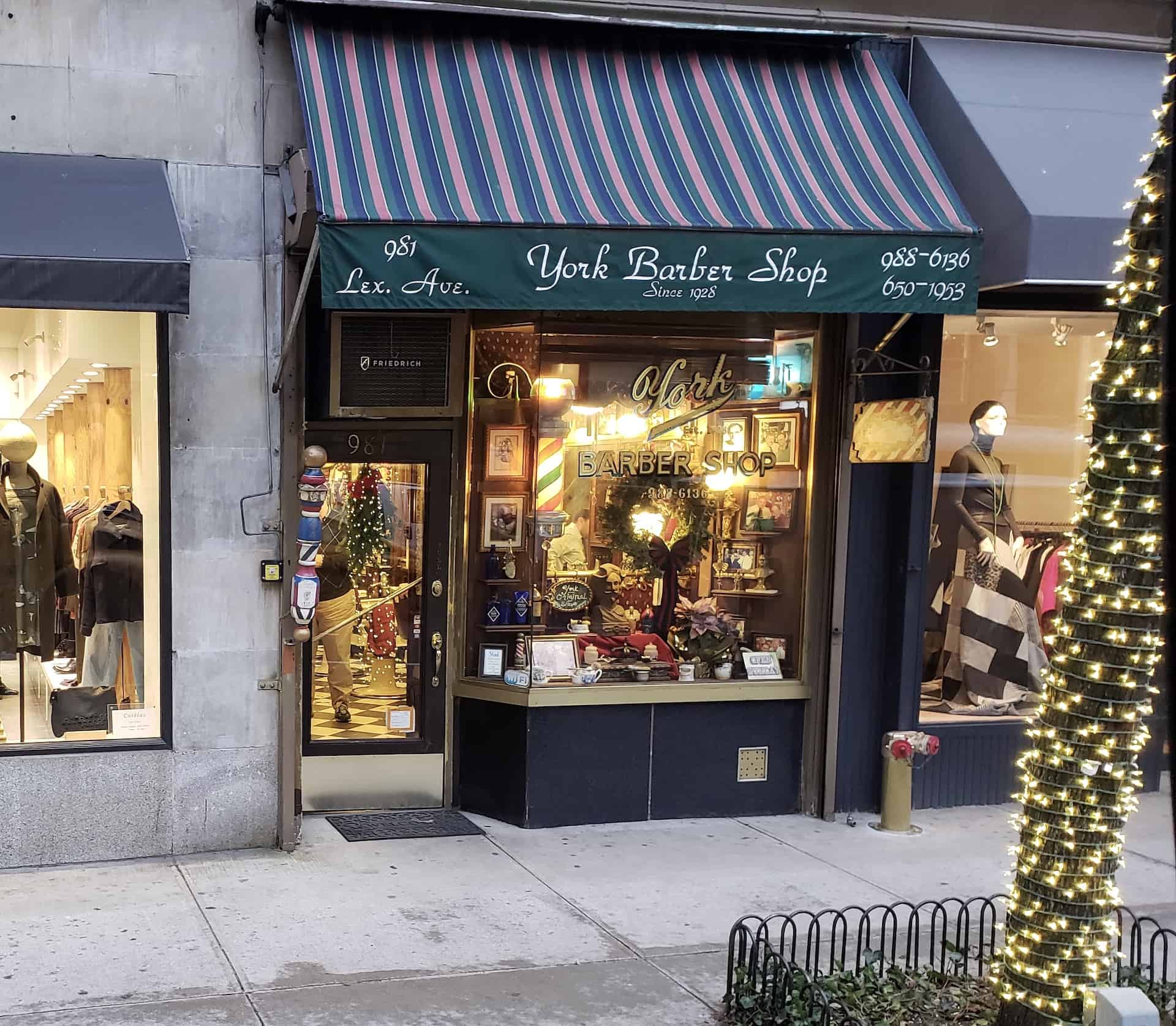
Barber shops must also consider the proper storage and organization of sterilized instruments. Tools that have been disinfected or washed should be stored in a protected, controlled area to prevent microbial growth. Specific storage containers, ultraviolet (UV) cabinets, or sealed containers can shield tools from airborne microbes. Additionally, stylists should adopt the process of marking disinfected instruments and alternating them consistently to maintain stable sanitation standards. A structured process to equipment you could look here organization not only enhances safety but also reflects expertise to clients.
Instructing employees on proper cleaning methods is another essential factor in maintaining sanitation protocols. Barbers and salon employees should get training on proper handwashing, wearing gloves, and the cleaning of frequently used areas such as Read Full Report seating, counters, and basins. Regular instruction sessions and checks support that cleaning routines remain consistent across the salon. Training employees about the risks of microbial transfer and the importance of following procedures fosters a atmosphere of security and accountability within the salon.
Regular review and maintenance of disinfection equipment also maintain cleanliness quality. Sterilizers, vibration cleaners, resource and cleaning agents must be monitored for performance, and any faulty tools should be repaired without delay. Implementing a formal sanitation protocol and recording detailed documentation of cleaning schedules also enhances regulatory conformity with local sanitation laws. By combining correct equipment sanitation, structured handling, employee education, and equipment maintenance, hair salons can maintain a clean, reliable setting that prioritizes the health of each patron.